Healthy Vs. Empty Calories
Why should I eat healthy? Is it even really worth it? These questions often pop up in the head of many, including, however grudgingly, myself. And I’m not saying that a smash burger with a shake and fries from time to time is the worst thing ever. But that's just it. It must only be from time to time. Over the past several weeks, we have explored the importance of exercise, restorative sleep, and intelligent sun exposure. Each of these sends important signals to the body. Exercise tells muscles to become stronger and more metabolically active. Morning light helps organize our circadian rhythm. Sleep creates time for repair and recovery. As you may have guessed this week, I am writing about food, and just like the latest topics, food also sends signals to various parts of the body. Every meal or snack that you consume affects blood sugar, insulin, inflammation, the gut microbiome, muscle maintenance, immune activity, energy production, and the hormones that influence hunger and fullness.
But food is much more than just fuel for your body; in fact, it sends messages all over your body. This is why the quality, even more than the quantity, of our food is so important. I’m sure that you've heard many fist-shaking health nuts tell you to “eat healthy” and eat less “ultra-processed foods”. But what are they actually talking about?
What exactly is ultra-processed food?
Many people don't actually understand what Ultra-processed foods are. And this is because you have to really look for the answer. Ultra-processed foods (UPFs) are defined as industrial formulations made from refined starches, sugars, oils, protein isolates, flavorings, colors, emulsifiers, sweeteners, and other ingredients. (Notice how the word food isn't even used in the definition.
This is because these "formulations” often have almost no recognizable remnants of the original food. These formulas are made to be inexpensive, convenient, shelf-stable, and highly appealing. Common examples include many sugary drinks, packaged pastries, candy, chips, sweetened cereals, reconstituted meat products, and ready-to-eat meals (1).
The calorie trap.
One of the strongest pieces of evidence comes from a carefully controlled National Institutes of Health study. In it, researchers admitted 20 adults to an inpatient research center and provided each participant with both an ultra-processed diet and an unprocessed diet for two weeks each. The meals were designed to offer similar amounts of calories, protein, carbohydrates, fat, sugar, sodium, and fiber.
Participants were allowed to eat as much or as little as they wanted.
On the ultra-processed diet, they consumed 500 additional calories per day. During those two weeks, they gained an average of about two pounds. During the unprocessed phase, they lost approximately two pounds (2).
As if that wasn't enough. A newer randomized crossover trial reached a similar conclusion. Adults followed both an ultra-processed and a minimally processed diet that conformed to established healthy-eating guidelines. The healthy option proved to not only support fat loss but also seemed to make the participants feel fuller and more able to control food cravings. (1). These studies show us that while calories matter, the way that we get the calories matters just as much. For example, it is better to eat a healthy sandwich with 350 calories than it is to eat a McDonald's burger with 350 calories.
The reason that it’s so easy to overeat ultra-processed foods lies in the speed at which ultra processed foods are consumed. They are meant to be eaten very quickly and trick your body into craving more before it can register fullness. Whole foods generally require more chewing, take longer to eat, and deliver nutrients within a structure containing water, fiber, protein, and intact plant cells. That structure helps regulate digestion and fullness. Processed foods lack this structure and so trick the consumer into overeating.
Inflammation and Bloating.
Have you ever wondered why certain meals leave you feeling bloated? Have you ever woken up bloated and wondered why? Well, the answer is inflammation. Inflammation is the body's natural response system. This means that inflammation itself isn't a bad thing. In fact, we need an appropriate inflammatory response to fight infection, heal an injury, and recover from exercise. The problem arises when low-grade inflammation just sticks around, not actually helping anything, causing needless swelling, bloating, or just an all-around feeling of being under the weather. In a study of more than 21,000 adults, high consumption of Processed foods was shown to correlate with low grade inflammation. Minimally processed food intake showed the opposite association. This is why if you eat UPFs late at night or as the last meal of the day, you will often wake up feeling more bloated or all around worse than you would if you ate a whole-food, healthier meal. (3).
Later in 2025, another study was published showing more correlation between high processed food consumption and unhealthy levels of inflammation. (4).
The inflammation caused by processed foods is a result of several factors.
- excess calorie intake and increasing visceral fat
- repeated elevations in glucose, insulin, and triglycerides
- inadequate fiber and phytonutrients
- displacement of omega-3 fats and other protective nutrients
- changes in the gut microbiome and intestinal environment
- additives that may affect susceptible individuals
- reduced dietary variety
The effect on the microbiome.
Our digestive tract contains trillions of micro-organisms. These micro-organisms help process food, strengthen the intestinal barrier and communicate with other parts of the body. These organisms need to be fed and cared for.
Beneficial micro-organisms flourish on a variety of plant starches and healthy fats. A diet that is dominated by ultra-processed foods may affect the microbiome in two ways.
Firstly, it removes what the beneficial microbes need by taking out vegetables, fruit and intact whole grains. Secondly, some of the ingredients in UPFs can directly change the behavior of the microbes.
In a controlled-feeding trial, healthy adults consumed a mixture called carboxymethylcellulose, or CMC. CMC is the key ingredient in ultra-processed foods. Compared with participants eating the same diet without CMC, the CMC group developed changes in microbiome composition. They experienced reductions in beneficial microbial metabolites and more abdominal discomfort. Two participants also showed movement of bacteria closer to the intestinal lining (5). In other words, those eating a diet high in UPF ingredients experienced negative changes in the microbiome as well as increased discomfort and inflammation.
Calories without Substance.
The phrase empty calories is all over health pages and blogs. The phrase is really referring to ultra processed foods. While these foods may make you feel full and satiated, the truth is that while these foods rack up calories, they lack any real substance.
The body requires many things to function healthily; think of fueling a sports car: you wouldn't want to put the same gas that you put in a lawn mower in a Ferrari. So this begs the question: Do you want
to treat your body like a lawn mower or a Ferrari?
Your body needs protein and amino acids to build and maintain muscle, minerals to support bone strength, and skin and hair health. You need healthy fats like avocados for cell membrane health. You need vitamins and fiber for energy metabolism and gut health. And phytonutrients for cellular defense.
A study of 12,000 people found that a greater intake of UPFs was associated with a much lower intake of beneficial micronutrients: for example, vitamins A, C, E, folate, vitamin B12, calcium, magnesium, iron, zinc, potassium, and phosphorus (8).
The Huge Benefit of Healthy Food.
Foods that are widely considered healthy have also been found to contain much more than many originally thought.
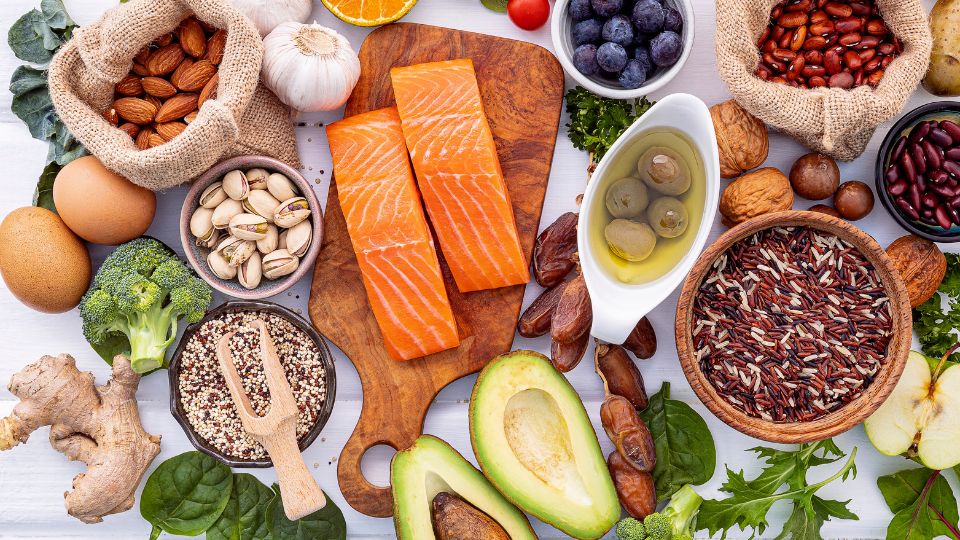
A whole berry such as a blueberry, strawberry, blackberry, or raspberry is not simply vitamin C. It also contains water, fiber, pigments, polyphenols, minerals, natural acids, and hundreds of biologically active compounds working together.
A walnut is not simply fat. It contains protein, fiber, magnesium, plant sterols, polyphenols, and a physical structure that affects how it is digested.
A bean is not simply carbohydrate. It provides protein, resistant starch, soluble fiber, potassium, magnesium, folate, and food for the intestinal microbiome.
Whole foods give the body large packages of nutrients, allowing it to perform to the highest ability.
Whole Foods and Aging.
As we age, preserving muscle, bone, metabolic flexibility, brain function, and independence becomes increasingly important.
We need enough protein to support muscle repair. We need calcium, magnesium, vitamin D, vitamin K, and other nutrients to support bone. We need fiber and phytonutrients to support the gut and cardiovascular system. We need omega-3 fats and other nutrients to support cell membranes and neurological health. At the same time, many people become somewhat less active and may require fewer total calories. That means each meal needs to work harder in order to bring its share of the proper nutrients. If a large portion of our daily calories comes from foods that provide plenty of energy but relatively little protein, fiber, micronutrients, and phytonutrients, it becomes increasingly difficult to meet the body’s needs without overeating.
Upgrade your eating.
The move to healthier and whole foods is a much easier one than many people think. Eating better doesn't mean spending hours in the kitchen or having to eat less tasty foods.
Breakfast
Instead of a pastry or sweetened breakfast cereal, try:
- plain Greek yogurt with berries, walnuts, and cinnamon
- scrambled eggs with spinach and avocado
- overnight oats with chia seeds, berries, and nut butter
- cottage cheese with fruit and pumpkin seeds
Snacks
Instead of chips, candy, or packaged snack bars, try:
- an apple with peanut or almond butter
- hummus with carrots, cucumbers, or peppers
- walnuts with a few pieces of dark chocolate
- berries with plain yogurt
- a hard-boiled egg with fruit
- roasted chickpeas
Lunch
Instead of a heavily processed frozen meal or packaged deli lunch, try:
- canned salmon over prewashed greens with olive oil and lemon
- a bean-and-vegetable soup with a side salad
- chicken, avocado, vegetables, and salsa in a bowl
- lentils, feta, cucumber, tomato, herbs, and olive oil
- leftover protein and seasoned vegetables from the previous night
Dinner
Instead of a packaged entrée, try a simple formula: Protein + vegetables + a high-fiber carbohydrate + healthy fat.
For example:
- sheet-pan salmon, seasoned broccoli, and a small baked potato
- chicken thighs, roasted vegetables, and quinoa
- shrimp, frozen stir-fry vegetables, and brown rice
- black beans, sautéed peppers, avocado, and salsa
- lentil pasta with vegetables, olive oil, herbs, and Parmesan;
- organic tofu or tempeh with vegetables and a sesame-ginger sauce
Drinks
Instead of soda, sweet tea, or heavily sweetened coffee drinks, try:
- sparkling water with citrus or berries
- unsweetened iced herbal tea
- water infused with cucumber, mint, or fruit
- coffee with milk and cinnamon rather than flavored syrup Dessert
Dessert
Instead of making dessert forbidden, make it more nourishing:
- berries with Greek yogurt and cocoa
- a baked apple with cinnamon and walnuts
- frozen banana blended with cocoa and nut butter
- chia pudding with berries
- a small portion of dark chocolate with fruit
The simple template.
You do not need to count calories or embark on some over-complicated diet. For most meals, simply follow this formula:
- a meaningful source of protein
- one or more colorful vegetables or fruits
- a fiber-rich carbohydrate when appropriate
- a source of healthy fat
- Herbs and spices for added and fun flavoring
- water or another minimally sweetened beverage
Protein may come from fish, eggs, poultry, lean meat, Greek yogurt, cottage cheese, tofu, tempeh, lentils, beans, or a combination of plant foods. Fiber-rich carbohydrates may include beans, lentils, oats, quinoa, potatoes, fruit, or intact whole grains. Healthy fats may come from extra-virgin olive oil, avocado, nuts, seeds, olives, or fatty fish.
This all-encompassing approach supplies the body with nutrients while allowing meals to remain flavorful, satisfying, and flexible.
Add, don’t subtract.
Many people try to eat healthier by eating less; however, one of the best ways to improve nutrition is to focus first on what you can add:
- Add protein to breakfast.
- Add one vegetable to lunch.
- Add beans or lentils to a soup or salad.
- Add berries to yogurt.
- Add nuts or seeds to oatmeal.
- Add a piece of fruit before reaching for a packaged snack.
Remember, as whole foods begin to fill the plate, Health is shaped by the repeated pattern, not a single meal.
At Advance Wellness and Longevity, we believe nutrition should do more than produce weight loss. It should support muscle, energy, blood sugar control, cardiovascular health, the gut microbiome, immune balance, cognition, and long-term independence.
The goal is not simply to eat less.
It is to give the body more of what it needs - and less of what repeatedly works against it.
Warmly,
Dr. Martin Katz
Advance Wellness and Longevity
This newsletter is for educational purposes only and is not a substitute for individualized medical or dermatologic advice. Sun-protection and vitamin D recommendations should be personalized according to skin type, medical history, medications, geographic location, lifestyle, and prior skin-cancer risk.
REFERENCES:
- https://discovery.ucl.ac.uk/id/eprint/10212054/1/41591_2025_3842_OnlinePDF.pdf
- https://pubmed.ncbi.nlm.nih.gov/31105044/
- https://pubmed.ncbi.nlm.nih.gov/36081297/
- https://www.amjmed.com/article/S0002-9343(25)00549-2/abstract
- https://pubmed.ncbi.nlm.nih.gov/34774538/
- https://pmc.ncbi.nlm.nih.gov/articles/PMC13115538/
- https://pubmed.ncbi.nlm.nih.gov/42174564/
- https://pubmed.ncbi.nlm.nih.gov/37798558/